Table of Contents
- Wisconsin Home Selling
- Which Areas in Wisconsin Offer the Best Return on Investment and Are Easiest for Residential Property Development?
- What Home Styles, Sizes, and Features Tend to Sell Fastest in the Wisconsin Market?
- What Should Home Sellers Know About Zoning Laws, Permits, and Regulatory Requirements in Wisconsin?
- Which Towns or Cities in Wisconsin Are the Easiest, and Hardest, When It Comes to Navigating Real Estate Regulations?
- What Are the Most Effective Flipping and Resale Strategies for Maximizing Profit in Wisconsin's Housing Market?
- How Should Sellers Price Their Homes to Attract Buyers While Maximizing Value in Wisconsin?
- Which Key Economic, Social, and Regulatory Factors Are Driving Current Trends in Wisconsin's Local Property Markets?
Wisconsin Home Selling

With limited home supply and rising prices, Wisconsin remains a seller's market in 2025. With a 3-month supply of homes, inventory continues to fall short of demand, giving sellers more negotiating power and leaving potential homebuyers at a disadvantage.
Wisconsin's median home sale price stood at $337,000 as of September 2025, representing an 8.7% increase over the past year. Relative to its neighbors, Wisconsin has a higher median home price than Iowa ($246,900), Michigan ($284,200), and Illinois ($303,100), but remains more affordable than Minnesota ($363,100). The typical home price in Wisconsin also came in well below the national median of around $415,000, highlighting its affordability.
With the typical home spending about 49 days on the market, homes in Wisconsin sold at a slower pace than in neighboring states, but still slightly faster than the national median of 51 days. These numbers reflect the strength of the Midwest's housing market and strong buyer demand in the state.
Despite nearly 24,000 homes for sale (+5.2% year over year), 38% of homes sold above the asking price. While the pace of construction growth has picked up, the number of privately owned new housing authorizations lagged behind the national rate in 2024, with 4 permits per 1,000 residents.
Though home prices are generally affordable in America's Dairyland, Wisconsin residents pay some of the highest property taxes in the United States, with an average effective rate of 1.51%. While this rate ranks Wisconsin eighth in the nation, the entire Midwest region tends to charge higher-than-average tax rates.
In terms of foreclosures, Wisconsin experiences one of the lowest rates in the country, with 1 foreclosure for every 3,010 housing units (as of Q3 2025). The state's low foreclosure rate ranks it well above all four of its border states, reflecting stable ownership trends and a resilient economy.
Which Areas in Wisconsin Offer the Best Return on Investment and Are Easiest for Residential Property Development?
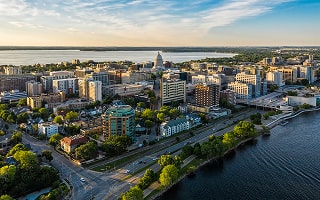
From hidden gems like Sheboygan and Wausau to high-demand cities such as Milwaukee and Madison, Wisconsin's housing market presents multiple opportunities for investors, especially those who know where to look. Each local market in the state offers tremendous variety, ranging from economic stability and population growth to strong rental demand.
While several areas in Wisconsin attract the interest of developers and investors, there are a few in particular that stand out. These markets offer strong long-term appreciation potential and the possibility for outsized return on investment (ROI), and include the following municipalities:
-
Madison: As the state's capital city and home to the University of Wisconsin-Madison, this college town has a growing population, tight inventory, and a strong job market. As a result, housing demand remains high, thanks to government jobs and students and staff of the university.
-
Waukesha: Known for outdoor activities, this small city is less than 20 miles from Milwaukee and offers the potential for high rental yields.
-
Milwaukee: The state's largest city, Milwaukee boasts a diverse economy that attracts a steady flow of working-class individuals, which creates a strong rental market for investors.
-
Sheboygan: This city offers affordable rents and home prices, making it one of the best markets for consistent cash flow for investors.
-
Middleton: An affluent suburb of Madison, Middleton homes have a high resale value and offer investors efficient and predictable permitting for by-right projects.
-
Appleton: With a median age of 36.9 and increasing demand for single-family homes, Appleton has a strong local economy driven by healthcare and manufacturing. These factors, along with business-friendly development policies, make the city one of the best for real estate development in Wisconsin.
-
Kenosha: The city's biggest attractions for real estate developers and investors are its proximity to Chicago and Milwaukee, shoreline location, and incentives offered for mixed-use housing.
-
Green Bay: The city's consistent rental demand by a stable working-class market makes it an ideal place for rental property investments.
-
Janesville: Janesville's diverse economy, driven by healthcare, manufacturing, and education, makes it one of the top targets for rental property investors.
-
Racine: In addition to the city's downtown revitalization support for new residential constructions, Racine offers investors relatively low entry prices. The city has also seen rising demand for housing and rental property, driven by blue-collar workers and families seeking affordable alternatives to larger cities.
What Home Styles, Sizes, and Features Tend to Sell Fastest in the Wisconsin Market?
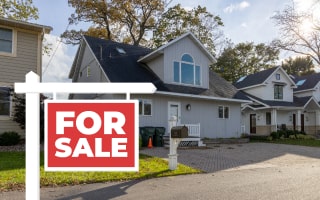
Homes take around 49 days to sell in Wisconsin, about two days less than the national median. Besides a property's asking price, location, condition, buyer demand, and the time of year, several other factors, such as the size and style of a home, may influence how fast a home sells in Wisconsin.
Generally, homes with the following characteristics tend to appeal to a larger number of homebuyers in Wisconsin and are more likely to sell faster:
-
![]()
Bedrooms: Homes with 3 to 4 bedrooms and no less than 2 bathrooms are often favored by professionals and families because they offer a good balance between convenience, space, and cost. In Wisconsin, they sell faster in places like Appleton, Kenosha, Waukesha, and Fitchburg, where competition is high among first-time buyers in the mid-size market and Illinois commuters looking for upgraded, affordable living in Wisconsin.
-
![]()
Size and Lot: In Wisconsin, homes sitting on manageable lots (between 0.25 and 0.5 acres) with 1,500 to 2,000 square feet of living area are in high demand, striking a balance between space and affordability. Such homes are sought after by university staff in Eau Claire, retirees and small families in La Crosse, and a range of buyers in Middleton and West Allis.
-
![]()
Style: The fastest-selling home styles in Wisconsin include ranch-style homes, contemporary, Craftsman, and modern farmhouse. While Craftsman, which is known for its detail and charm, sells more quickly in revitalized or historic neighborhoods like Madison, the modern farmhouse is highly desirable and sells faster in newer subdivisions, like Pleasant Prairie. On the other hand, professionals drive high demand for contemporary home styles in upscale developments in places like Fitchburg. Similarly, the consistent demand for ranch-style homes by first-time buyers and retirees in places like Oshkosh make them sell faster in such areas.
-
![]()
Modern Upgrades: In Wisconsin, homes with modern features generally tend to sell more quickly. In municipalities such as Green Bay, updated interiors tend to attract middle-income families, while open layouts and smart-home features appeal to tech-savvy buyers in places like Sun Prairie. Moreover, many professionals and young buyers in Kenosha, Eau Claire, and West Allis tend to be drawn to homes with energy-efficient appliances, updated open-concept kitchens, renovated bathrooms, garages, and finished basements.


What Should Home Sellers Know About Zoning Laws, Permits, and Regulatory Requirements in Wisconsin?

In Wisconsin, it's crucial for developers and home sellers to clearly understand local zoning laws and permits that may impact their real estate investments. Typically, each property in the state has a particular zoning district designation, which dictates how land may be used in an area and what can be built on it. Zoning is locally controlled, and regulatory requirements can vary widely by location. As a result, it's essential for home sellers to know the specific rules for each area in the state.
The updated 23-24 Wisconsin Statutes require sellers of residential real estate to disclose to potential buyers any potential defects in a property that may significantly impact its value or the safety of occupants. This generally ensures transparency in real estate deals and protects both sellers and buyers.
Sometimes, buyers may need to verify what zoning categories apply to a property and review the zoning laws in the location to confirm legal use and uncover any open permits or violations. If zoning violations do exist, it could interfere with the sale of a property.
Before investing in Wisconsin real estate, it's important to recognize the extent of zoning laws and restrictions in each area, along with any additional or special requirements.
-
Areas with strict zoning laws: These places are known for tight restrictions on land use, detailed zoning codes, and longer approval timelines. Prohibited uses in such areas may lead to forced removals or fines, and home sellers should confirm whether property modifications meet local zoning standards. For instance, Madison scrutinizes all forms of variances and has strict neighborhood overlays. In Wauwatosa, there are specific restrictions on tree removal, lot coverage, and short-term rentals. Likewise, in Whitefish Bay, strict zoning codes for exterior material conformity, lot size, and building height can complicate renovations and development.
-
Areas with less bureaucratic zoning laws: Generally, these areas are more flexible with land use and have zoning overlays that allow high-density or mixed-use housing. That means it's usually easier for developers and home sellers in these places to regularize previous updates, build additions, and convert single-family homes into duplexes or rentals.
For example, the zoning ordinances in West Allis typically encourage redevelopment and often waive minor variances. In La Crosse, accessory dwelling units (ADUs) are permitted by right in several zones, while the recently modernized zoning code in Green Bay helps simplify approvals and encourages density.
-
Places requiring special permits: Conditional use permits, variances, or rezoning may require public hearings before issuing permits. For instance, zoning hearings for nonconforming lot adjustments or accessory structures are required in Sheboygan. Similarly, any site plan amendments, variances, and rezoning must go through a formal public hearing in Middleton. In these places, as in the rest of the state, sellers are required to disclose unpermitted work to buyers when selling a property.
-
Areas requiring a Certificate of Occupancy (CO) before legal occupation: Selling a property without a CO in Wisconsin may lead to voided contracts or delayed closings. In many municipalities, a CO is required before occupancy or sale of a new or substantially altered property, and for changes of use.
In Milwaukee and Madison, a CO is required before occupancy for rentals, new buildings, new homes, use changes, and major remodels. Similarly, it's required for ownership transfer on rentals or after substantial improvements in places like Racine and Green Bay.
-
Places requiring the approval of a historic commission: In these Wisconsin municipalities, the approval of the local Historic Preservation Commission (HPC) is required before homeowners or sellers can make any changes to a property's windows, roof, facade, or any other exterior element. These areas include La Crosse, Madison (Third Lake Ridge and Mansion Hill districts), Cedarburg, and Watertown. Any homeowner or seller who violates historic-preservation codes risks fines and legal actions. In addition, home sellers must disclose to a potential buyer any changes made to a property without HPC approval.
Which Towns or Cities in Wisconsin Are the Easiest, and Hardest, When It Comes to Navigating Real Estate Regulations?

While some cities and towns in Wisconsin have strict real estate regulations for home sellers and developers, others offer friendlier regulations that encourage development. To maximize property value and avoid potential legal issues, real estate investors must always comply with all local real estate rules and regulations.
All real estate regulations in Wisconsin, regardless of location, largely serve the purpose of ensuring transparent transactions, consumer protection, property rights protection, development promotion, and market stability. However, each local market in the state has a unique regulatory climate, which home sellers and developers must understand to help them navigate local laws. Below is a list of several Wisconsin municipalities arranged by how development friendly or bureaucratic they tend to be:
Development-Friendly Areas
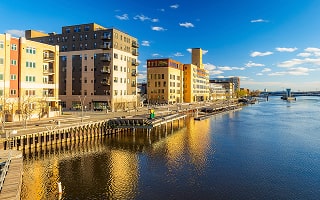
These areas typically attract home sellers and developers because they have several pro-growth policies and offer zoning flexibility and streamlined permitting. Real estate investors who want faster project approvals and fewer bureaucratic barriers in Wisconsin should consider investing in the following areas:
- Eau Claire: Offers fast permitting and housing incentives to revitalize older neighborhoods. Its zoning ordinances are flexible for residential and mixed-use development.
- Green Bay: The city has simplified zoning codes that promote multifamily and infill development. In addition, it supports home developers through its Economic Development Office, and encourages adaptive reuse.
- Beloit: The local government authority in Beloit works closely with developers to simplify land use and rezoning issues.
- La Crosse: The city has a pro-housing stance in zoning decisions and is known for its streamlined review process.
Moderately Regulated Areas

In these areas, certain projects, including mixed-use and multifamily, may require additional review and scrutiny. However, with their predictable zoning codes and standard permitting processes, they're able to balance control and development. Hiring a local real estate attorney in these places is often recommended. Areas with a moderate real estate regulatory climate in Wisconsin include the following:
- Kenosha: While some neighborhoods, particularly those around industrial corridors or the lakefront, may require additional scrutiny, the city is generally mixed-use-friendly.
- Appleton: Approval timelines are moderately fast, and zoning updates allow for some increased housing density. While permitting is detailed, it's generally straightforward and fair.
- Middleton: The city has reasonably managed zoning, particularly for single-family homes. However, mixed-use and commercial-use development needs some design and community review.
- Fitchburg: While the permitting process can't be fast-tracked, it remains predictable. Variances often need conditional use permits even though the city's policies are pro housing growth.
Highly Restrictive or Bureaucratic Areas
These places generally have more layers of oversight, such as restrictive community input processes, historic commissions, and design review boards, that elongate permitting timelines. In addition, their zoning laws are typically stringent. Wisconsin municipalities with restrictive regulatory climates include the following:
- Mequon: Mequon has an active planning commission and is known for restrictive zoning, including limited multifamily development and large-lot minimums.
- Madison: The city authorities engage in strict scrutiny in residential and historical districts. It has a long permitting process and complex zoning overlays. In addition, any variances or design changes require detailed documentation and, sometimes, public hearings.
- Cedarburg: Every renovation and improvement to homes located in historic neighborhoods must have the approval of the local historic commission.
- Brookfield: The approval process for mixed-use projects is often challenging. In addition, land use is highly regulated in the city's suburban neighborhoods.
Regulatory Climate Factors

The ease or difficulty of developing, renovating, or flipping a property in Wisconsin is largely determined by the prevailing regulatory climate, which typically varies by town, city, and county. The following regulatory climate factors may help you navigate the local real estate regulations in various parts of the Badger State:
| Factor | Impact on Development | Where It's Found |
|---|---|---|
Zoning Flexibility |
Determines ease of land use |
West Allis, Green Bay, La Crosse, Fitchburg, and Eau Claire |
Historic Preservation Laws |
Adds restrictions |
La Crosse, Madison, Watertown, Mineral Point, and Cedarburg |
Wetlands/Conservation |
Limits buildable land |
Middleton, Mequon, Brookfield, Oconomowoc, and Madison |
Inclusionary Zoning |
Requires affordable units |
Fitchburg, Madison, Kenosha, Milwaukee, and Sun Prairie |
Building Code Enforcement |
Affects cost/speed |
Racine, Madison, Waukesha, Milwaukee, and Green Bay |
Local Politics/NIMBYism* |
Blocks or delays projects |
Brookfield, Shorewood, Whitefish Bay, Middleton, and Mequon. |
*NIMBYism - Not in My Backyard
What Are the Most Effective Flipping and Resale Strategies for Maximizing Profit in Wisconsin's Housing Market?
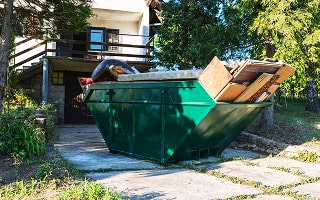
Wisconsin's property flipping market holds massive potential for those willing and able to capitalize on the vast opportunities. Any flipper looking to maximize profit in the state's market should consider adopting certain strategies, depending on the city, town, or county. Common strategies include finding distressed property deals (usually priced below market value), locating off-market properties, and prioritizing renovations to increase resale value.
Depending on the property's location within the state, investors looking to flip and resell homes for maximum profit in Wisconsin may adopt one or more of the following strategies:
-
![]()
Target Distressed or Foreclosed Homes: This works well in places like Beloit, Milwaukee, Sheboygan, and Racine, where distressed properties, undervalued properties, or foreclosure-prone properties may be more common. The strategy involves purchasing low-priced homes, renovating them, and reselling them at market value for maximum profit.
-
![]()
Use the 70% Rule [Maximum Offer = (ARV x 70%) - Repair Costs]: This rule helps ensure an investor doesn't pay more than 70% of a property's after-repair-value (ARV) minus the potential costs of repairs and renovations, ultimately helping secure a high ROI. In Wisconsin, this works well in places like Appleton, La Crosse, Green Bay, and Wausau, where the housing market is generally stable and properties have steady resale values.
-
![]()
Try Wholetailing for Speed: In Wisconsin municipalities like Fitchburg, West Allis, Sun Prairie, and Eau Claire, investors can buy distressed properties, make minor cosmetic repairs and upgrades, and resell with a healthy profit margin. In these areas, strong buyer demand can lead to quick sales, while solid rental demand creates opportunities for longer-term buy-and-hold investors.
-
![]()
Build Strong Deal Pipelines with Lead Gen: This requires using certain means, like local agents, mailers, social media, or SEO, to search for off-market deals. Sometimes, it can involve using lead generation to target homeowners in foreclosure or probate. In Wisconsin, this strategy is more effective in areas with competitive housing markets, like Madison, and in places with high demand for off-market deals due to extremely low inventory, such as Milwaukee.
-
![]()
Renovate with Quality, Don't Cut Corners: Flippers looking to invest in higher-end areas or those with more informed buyers, such as Madison and Waukesha, should avoid cutting corners with renovations. In places like Middleton, Mequon, and Brookfield, buyers are often willing to pay more for higher-quality finishes.
-
![]()
Try Micro-Flipping (Digital Wholesaling): Micro-flipping involves leveraging online platforms to assign contracts without actually owning a property. In Wisconsin, this strategy is best used in housing markets with strong demand and clear comps, and in markets with high turnover rates. These include Racine, Appleton, Milwaukee, and Green Bay.
-
![]()
Go Beyond Cosmetic Work (Value-Add Flipping): This is a good flipping and resale strategy in Wisconsin municipalities where buyers are willing to pay a premium for major upgrades, and where added square footage, finished basements, and additional bathrooms may boost property value. It's effective in places like Fitchburg, Brookfield, Sun Prairie, and Madison.
-
![]()
Buy at Auction and Off Market: Flippers tend to make a healthy profit margin from reselling homes purchased via sheriff sales, tax auctions, and directly from distressed property sellers. In Wisconsin, this strategy works well in places like Racine, where distressed and auction sales are common, especially in older neighborhoods, and in areas like Milwaukee, with frequent sheriff sales and tax auctions. Municipalities like Green Bay, Sheboygan, and Beloit are also hotbeds for this flipping strategy.
-
![]()
Invest in Tax Liens or Tax Deeds: Flippers in markets with consistent tax-delinquent properties and regularly scheduled tax-deed auctions are the best places to adopt this strategy. In Wisconsin, these areas include Oshkosh, Milwaukee, Wausau, Racine, and Sheboygan. This investment strategy generally involves purchasing deeds or tax liens at a discounted rate, especially at county auctions, and then taking ownership of the property for resale after legal cleanup.
-
![]()
Target FHA 203(k) Buyers: Wisconsin municipalities like West Allis, Milwaukee, Eau Claire, and Green Bay, where there are affordable homes for FHA buyers, a high concentration of FHA-eligible buyers, and many first-time homebuyers, are hotbeds for this flipping strategy. It involves marketing flipped homes to first-time homebuyers who intend to finance both their home purchase and the cost of renovations with an FHA 203(k) loan. Since this type of financing agreement covers both the purchase and renovation costs with a single loan, flippers don't have to spend as much out of pocket.
-
![]()
Stage and Price Strategically: Flippers in competitive markets and areas with many young-professional buyers who value aesthetics, such as Madison, Fitchburg, Brookfield, and Middleton, may want to consider investing in professional staging. Once a home is well staged, adopting psychological pricing strategies can make it sell more quickly, sometimes even going above the asking price.


How Should Sellers Price Their Homes to Attract Buyers While Maximizing Value in Wisconsin?

It's important to understand the local housing market to set a price that attracts buyers in a particular area while maximizing the property's value. Usually, working with an appraiser or local agent who is skilled in analyzing recently sold comps (typically within the last 90 days) may open up a large pool of potential buyers.
In Wisconsin, home sellers can attract multiple buyers and potentially boost sale prices by adopting any of the following pricing strategies in setting the right listing prices:
-
![]() Pricing Just Below Below Market Thresholds: When a home is priced just below common market or search thresholds, it creates more search visibility and drives more traffic. For example, listing a property at $199,900 instead of $200,000 may appeal to more potential buyers, particularly in competitive markets and areas with many first-time buyers like Waukesha, Appleton, Madison, and Sun Prairie.
Pricing Just Below Below Market Thresholds: When a home is priced just below common market or search thresholds, it creates more search visibility and drives more traffic. For example, listing a property at $199,900 instead of $200,000 may appeal to more potential buyers, particularly in competitive markets and areas with many first-time buyers like Waukesha, Appleton, Madison, and Sun Prairie.
-
![]() Charm Pricing (Psychological Pricing): This involves using odd-number pricing that plays on human psychology, such as $174,900 instead of $175,000, to make a listing appear as it's priced below market value. It works mostly for highly budget-conscious buyers and many younger buyers in Wisconsin municipalities like Green Bay, West Allis, and Eau Claire.
Charm Pricing (Psychological Pricing): This involves using odd-number pricing that plays on human psychology, such as $174,900 instead of $175,000, to make a listing appear as it's priced below market value. It works mostly for highly budget-conscious buyers and many younger buyers in Wisconsin municipalities like Green Bay, West Allis, and Eau Claire.
-
![]() Pricing to Create a Bidding War: Home sellers can use this pricing strategy in Wisconsin municipalities like Middleton, Brookfield, Madison, and Kenosha, where high demand, low inventory, and competitive offers can create bidding war situations. The strategy involves pricing a property a little below market value to engineer a sense of urgency and generate multiple competing offers. Since potential buyers feel compelled to make quick, competitive offers, it may result in the final sale price going above the asking price.
Pricing to Create a Bidding War: Home sellers can use this pricing strategy in Wisconsin municipalities like Middleton, Brookfield, Madison, and Kenosha, where high demand, low inventory, and competitive offers can create bidding war situations. The strategy involves pricing a property a little below market value to engineer a sense of urgency and generate multiple competing offers. Since potential buyers feel compelled to make quick, competitive offers, it may result in the final sale price going above the asking price.
-
![]() High-Anchor Pricing (Test the Waters): This involves pricing a property above its market value, typically at the top of the market range, and waiting to see how much interest exists among potential buyers. The level of negotiation generally helps determine the property value, which enables the seller to make adjustments and find the right price. In Wisconsin, this pricing strategy is best suited for high-end or high-demand markets and areas with unique properties, including Mequon, Middleton, Brookfield, Oconomowoc, and Fitchburg.
High-Anchor Pricing (Test the Waters): This involves pricing a property above its market value, typically at the top of the market range, and waiting to see how much interest exists among potential buyers. The level of negotiation generally helps determine the property value, which enables the seller to make adjustments and find the right price. In Wisconsin, this pricing strategy is best suited for high-end or high-demand markets and areas with unique properties, including Mequon, Middleton, Brookfield, Oconomowoc, and Fitchburg.
-
![]() Appraisal-Backed Pricing: This strategy relies on pricing based on a home's expected appraised value (sellers can order a pre-listing appraisal) to give buyers confidence and avoid overpricing. In Wisconsin, it's an effective pricing method for home sellers targeting buyers who rely on VA or FHA loans, and often works well in places like West Allis, La Crosse, and Racine.
Appraisal-Backed Pricing: This strategy relies on pricing based on a home's expected appraised value (sellers can order a pre-listing appraisal) to give buyers confidence and avoid overpricing. In Wisconsin, it's an effective pricing method for home sellers targeting buyers who rely on VA or FHA loans, and often works well in places like West Allis, La Crosse, and Racine.
-
![]() Net-to-Seller Pricing: Home sellers who are equity-conscious in Wisconsin may consider using this pricing strategy, which involves setting an asking price based on the desired net proceeds after paying all costs associated with the sale. Areas in the state where this method is commonly adopted include Sheboygan, Green Bay, Oshkosh, and Beloit.
Net-to-Seller Pricing: Home sellers who are equity-conscious in Wisconsin may consider using this pricing strategy, which involves setting an asking price based on the desired net proceeds after paying all costs associated with the sale. Areas in the state where this method is commonly adopted include Sheboygan, Green Bay, Oshkosh, and Beloit.
-
![]() Urgency Pricing (Motivated Seller Strategy): This works effectively in situations where a property is distressed or a quick sale is key, such as divorces, relocations, and pre-foreclosures. It involves pricing a property below market value with a motivated seller tag in a bid to attract quick cash offers and sell fast. This strategy works in most areas in Wisconsin.
Urgency Pricing (Motivated Seller Strategy): This works effectively in situations where a property is distressed or a quick sale is key, such as divorces, relocations, and pre-foreclosures. It involves pricing a property below market value with a motivated seller tag in a bid to attract quick cash offers and sell fast. This strategy works in most areas in Wisconsin.


To generate a high ROI on a home sale in any part of Wisconsin, you need to adopt the right pricing strategy based on the current market conditions in your locality. The table below shows different market conditions and the corresponding pricing strategies that may be most appropriate:
| Market Condition | Best Strategy |
|---|---|
Seller's Market |
Underpricing for a bidding war |
Buyer's Market |
Charm pricing or net-to-seller |
Unique, luxury home |
High-anchor + value justification |
Entry-level home |
Just below threshold |
Urgent sale needed |
Aggressive urgency pricing |
Flipper or investor listing |
Appraisal-backed or price-per-square-foot |
Which Key Economic, Social, and Regulatory Factors Are Driving Current Trends in Wisconsin's Local Property Markets?

Factors shaping the local property markets in Wisconsin are deeply interwoven. They typically drive housing demand, supply, and price movements, which largely determine the development opportunities across the state. Such factors include the following:
![]() Economic Factors
Economic Factors
 Economic Factors
Economic factors shaping Wisconsin's housing market include industry diversification, strong job growth, corporate investment, cost of living, and construction activities. For instance, high rental demand and the presence of multiple Fortune 500 companies in Milwaukee are currently driving investor competition and interest in housing. Similarly, an increasing number of employers in the life sciences, logistics, and tech in Fitchburg, DeForest, Madison, and Waunakee, is driving up housing demand in these municipalities.
![]() Demographic and Social Factors
Demographic and Social Factors
 Demographic and Social Factors
Factors like a decline in household size, age distribution, population growth, migration trends, and changing buyer profiles may impact neighborhood preferences and demand for different housing types. In Oshkosh, homes are selling quickly as a result of its strong family and worker demographic. Similarly, townhouse and single-family housing demand is on the rise in places like Verona, Waunakee, Middleton, and Madison, due to an influx of young professionals migrating from metro areas.
![]() Regulatory and Legal Framework
Regulatory and Legal Framework
 Regulatory and Legal Framework
Regulatory factors like building code enforcement, inclusionary policies, zoning flexibility, historic overlays, and building approvals may impact housing supply and price dynamics in Wisconsin local markets. For example, in Milwaukee, high regulation and an uncertain permitting process present significant barriers to to building affordable units, making the local housing market difficult for first-time buyers.
![]() Taxation and Fiscal Policy
Taxation and Fiscal Policy
Affordable housing funds and property tax rates play a crucial role in determining where developers invest in real estate development. For instance, in Wisconsin municipalities such as La Crosse, Sun Prairie, Beloit, and Fitchburg, new construction is encouraged through reduced assessment rates and house grants. Likewise in Green Bay, moderate property taxes continue to encourage infill projects.
![]() Housing Policy and Government Programs
Housing Policy and Government Programs
 Housing Policy and Government Programs
These policies and programs may help expand access to moderate-income buyers and stabilize home prices in Wisconsin. In areas like Racine, Eau Claire, and Oak Creek, the available local improvement or rehab grants are supporting older housing stock, while certain incentives are encouraging workforce housing projects in Green Bay.
![]() Infrastructure and Development Trends
Infrastructure and Development Trends
 Infrastructure and Development Trends
Generally, redevelopment corridors and transit access tend to raise land value and drive single-family and multifamily development/infill in Wisconsin. For instance, shipyards in Beloit, Milwaukee, and Green Bay are fueling dense housing construction.
Although inventory is up year over year, Wisconsin's housing market remains a seller's market, with home prices on the rise across most of the state. Areas suitable for real estate investment generally offer strong demand, affordable entry costs, and development support, potentially leading to higher returns on investment. These areas include Madison, Racine, Milwaukee, and Green Bay, among others. Wisconsin's real estate regulatory landscape varies widely by location. Each regulatory environment impacts design, development, and ownership costs. Key factors driving local property markets in the state include economic factors, demographic and social shifts, taxation policy, and regulatory and legal frameworks.
Table of Contents
- Wisconsin Home Selling
- Which Areas in Wisconsin Offer the Best Return on Investment and Are Easiest for Residential Property Development?
- What Home Styles, Sizes, and Features Tend to Sell Fastest in the Wisconsin Market?
- What Should Home Sellers Know About Zoning Laws, Permits, and Regulatory Requirements in Wisconsin?
- Which Towns or Cities in Wisconsin Are the Easiest, and Hardest, When It Comes to Navigating Real Estate Regulations?
- What Are the Most Effective Flipping and Resale Strategies for Maximizing Profit in Wisconsin's Housing Market?
- How Should Sellers Price Their Homes to Attract Buyers While Maximizing Value in Wisconsin?
- Which Key Economic, Social, and Regulatory Factors Are Driving Current Trends in Wisconsin's Local Property Markets?